Description
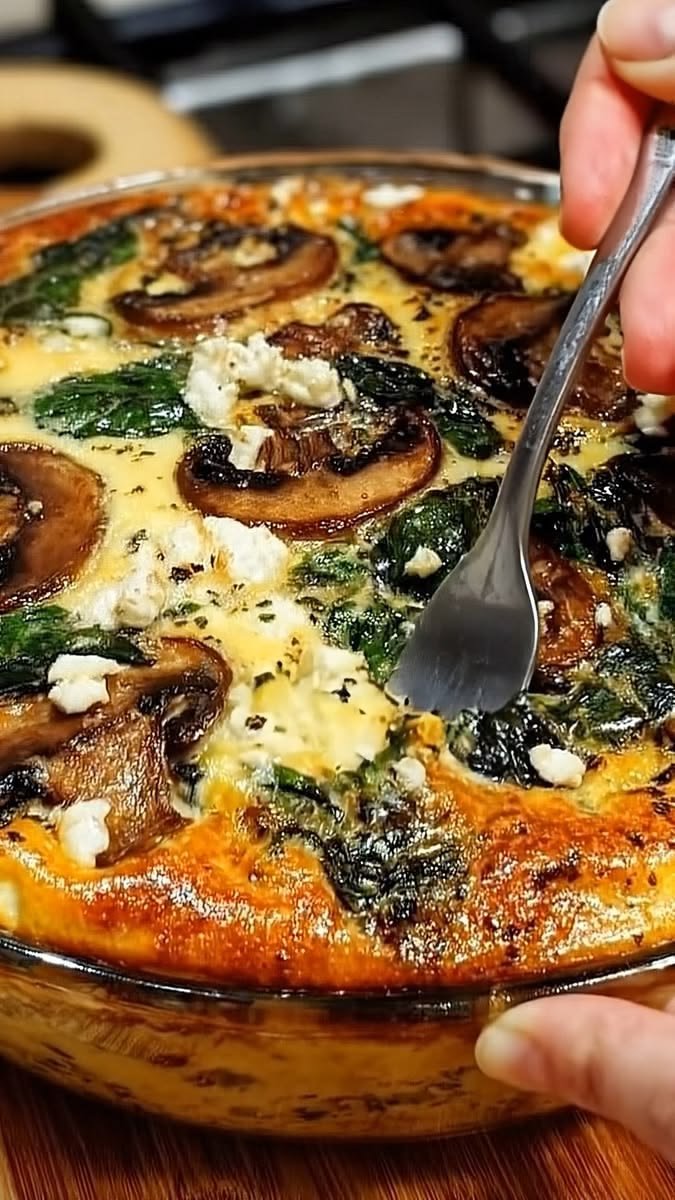
Start your morning with a warm, savory spinach mushroom feta frittata featuring fluffy eggs, tender mushrooms, fresh spinach, and creamy, tangy feta cheese. Each bite combines the earthy flavor of mushrooms with the freshness of spinach and the rich, salty taste of feta, creating a satisfying breakfast without the need for a pastry crust.
This easy crustless frittata is naturally low in carbohydrates and provides protein from eggs, feta, and a little milk. It is perfect for busy mornings, weekend brunches, meal prep, or anyone looking for a high-protein breakfast that feels comforting while keeping ingredients simple.
Whether you enjoy it straight from the oven or save slices for quick weekday meals, this spinach and mushroom frittata is a flexible recipe you can customize with your favorite vegetables and seasonings.
Can This Spinach Mushroom Feta Frittata Support Weight Loss Goals?
Yes, this frittata can fit into a weight-management eating plan when its portion size and overall nutrition suit your individual needs. Eggs provide protein and fat, while feta adds flavor and additional protein. Protein can help you feel satisfied after a meal and supports the maintenance of muscle as part of an appropriate diet.
Spinach and mushrooms contribute volume, flavor, and useful nutrients without adding many carbohydrates. Because the recipe has no pastry crust, it is generally lower in carbohydrates than many traditional quiches or savory pies.
For a more calorie-conscious version, use a measured amount of olive oil and feta, and pair a slice with fresh vegetables. Keep in mind that weight management depends on your overall eating pattern, activity, and energy intake rather than any single recipe.
Does Spinach Mushroom Feta Frittata Fit a High-Protein Lifestyle?
Yes, this frittata fits a high-protein lifestyle because eggs and feta provide protein in a convenient, satisfying meal.
Spinach and mushrooms add flavor, color, and texture while keeping the carbohydrate content relatively low.
Each serving contains approximately 17 grams of protein and 3 grams of net carbs, based on the ingredients below.
It is naturally crustless, so you can enjoy it without the extra carbohydrates from a pastry base.
For an even higher-protein meal, serve it with plain Greek yogurt or add extra egg whites to the mixture.
My Personal Experience
- The feta adds a delicious salty tang.
Its creamy, crumbly texture contrasts beautifully with the soft eggs and tender vegetables.
A little feta goes a long way, so distribute it evenly for flavor in every slice. - Cooking the mushrooms first makes a big difference.
Mushrooms release moisture as they cook, and sautéing them helps prevent a watery frittata.
Once their moisture has evaporated, their savory, earthy flavor becomes more concentrated. - Spinach gives the frittata freshness and color.
Adding it after the mushrooms allows the leaves to wilt without becoming overcooked.
If you use frozen spinach, squeeze out excess water before adding it. - A gentle oven temperature helps create a tender texture.
Baking the eggs until just set keeps the center soft rather than rubbery.
Removing the frittata when the middle is no longer liquid helps prevent overcooking. - This recipe is convenient for meal prep.
The frittata can be sliced into portions and refrigerated for quick breakfasts or lunches.
Gentle reheating helps preserve its soft texture and keeps the feta from drying out too much.
Perfect For
- High-protein breakfasts: Eggs and feta provide protein to start the day.
- Low-carb meal plans: The crustless recipe contains very few carbohydrates per serving.
- Keto-friendly menus: Its combination of eggs, cheese, and vegetables can fit many low-carb plans when portions suit your daily targets.
- Weekend brunch: The colorful spinach, mushrooms, and feta make an inviting dish for sharing.
- Meal-prep breakfasts: Bake once, slice into portions, and refrigerate for convenient meals.
- Light lunches or dinners: Pair a slice with a green salad or roasted vegetables.
- Vegetarian meals: This recipe contains no meat and uses eggs and dairy for protein.
- All-season cooking: Spinach, mushrooms, eggs, and feta are suitable ingredients for year-round meals.
Why You’ll Love This Recipe
- Naturally low in carbs.
With no pastry crust or flour, this frittata keeps carbohydrates low while letting the vegetables shine.
Each serving has approximately 3 grams of net carbs using the quantities listed. - A satisfying source of protein.
Eggs provide the main protein source, while feta contributes extra protein and a bold flavor.
You can add egg whites to increase protein without adding much fat. - Full of savory flavor.
Mushrooms bring an earthy taste, spinach adds freshness, and feta supplies a pleasant salty tang.
Garlic and black pepper tie the flavors together without requiring a complicated sauce. - Easy to prepare.
The vegetables cook in one skillet before the egg mixture is added.
Transferring the oven-safe skillet to the oven keeps the process simple and reduces extra dishes. - Great for meal prep.
Individual slices are easy to portion and store for quick breakfasts during the week.
The frittata can also be enjoyed cold or gently reheated. - Easy to customize.
Add chopped bell pepper, fresh herbs, or a little extra spinach to suit your taste.
You can also use part egg whites if you prefer a leaner version.
Common Mistakes to Avoid
- Skipping the mushroom sauté: Raw mushrooms release water during baking, which can leave the frittata soggy; cook them first until their moisture has mostly evaporated.
- Adding wet spinach: Excess water from fresh or frozen spinach can make the eggs watery; wilt fresh spinach and squeeze thawed frozen spinach dry.
- Overmixing or overbaking the eggs: Excessive cooking can create a tough, rubbery texture; bake just until the center is set and no longer liquid.
- Using too much feta or salt: Feta is naturally salty, so adding too much extra salt can overpower the vegetables; taste the mixture before seasoning heavily.
Required Equipment
- Oven-safe 10-inch skillet — Lets you sauté the vegetables and bake the frittata in the same pan.
- Mixing bowl — Provides room to whisk the eggs and milk evenly.
- Whisk or fork — Blends the eggs to create a uniform, fluffy texture.
- Measuring cups and spoons — Help keep the cheese, milk, and oil quantities consistent.
- Sharp knife — Makes chopping mushrooms, spinach, and garlic easier.
- Cutting board — Provides a stable surface for preparing vegetables.
- Heat-resistant oven mitts — Protect your hands when transferring the hot skillet from the oven.
Storage Instructions
Refrigerator: Let the frittata cool slightly, then divide it into slices and place them in a shallow, airtight container. Refrigerate within two hours of cooking at 40°F (4°C) or below, and eat within 3–4 days.
Freezer: For longer storage, wrap individual slices in freezer-safe wrap or place them in a freezer-safe airtight container with parchment between layers. Freeze for up to 2 months for the best texture.
Reheating: Reheat a slice in the microwave in 20–30-second intervals until warmed through, or place it in an oven-safe dish at 325°F (165°C) for approximately 8–12 minutes. Avoid overheating, as eggs can become rubbery.
Meal-prep tip: Store slices in individual portions so you can take out only what you need. The eggs and feta provide protein even after chilling, although freezing may slightly change the texture of the vegetables and cheese.
Recipe Details
- Preparation Time: 10 minutes
- Cooking Time: 25 minutes
- Total Time: 35 minutes
- Servings: 4
- Best Season for This Recipe: All-season
- Total Calories Per Serving: Approximately 220 calories
Short 3-Line Description
This spinach mushroom feta frittata combines fluffy eggs, tender mushrooms, fresh spinach, and tangy feta in one easy crustless bake.
With approximately 17 grams of protein and 3 grams of net carbs per serving, it suits many high-protein, low-carb meal plans.
Serve it warm for breakfast, brunch, or a simple meal-prep lunch.
📝 Ingredients
- 6 large eggs
- ½ cup (120 ml) milk, preferably 2% or whole milk
- 1 cup (30 g) fresh spinach, roughly chopped
- 1 cup (70–80 g) mushrooms, thinly sliced
- ½ cup (75 g) feta cheese, crumbled
- ¼ cup (35 g) yellow onion, finely diced
- 2 cloves garlic, minced
- 1 tablespoon olive oil
- ¼ teaspoon black pepper
- ¼ teaspoon dried oregano
- ⅛ teaspoon salt, or to taste
- 1 tablespoon chopped fresh parsley, optional
Ingredient notes:
- Spinach: Fresh spinach works well. If using frozen spinach, thaw it and squeeze out as much moisture as possible.
- Mushrooms: Cremini or white button mushrooms are both suitable.
- Feta: Regular feta adds a tangy, salty flavor; reduced-fat feta can also be used.
- Milk: A small amount of milk helps soften the egg texture. Unsweetened, unflavored milk alternatives may work, though the flavor and nutrition will vary.
- Egg whites option: For more protein with less fat, replace two whole eggs with approximately ⅔ cup of liquid egg whites, adjusting the nutrition accordingly.
Directions
Step 1: Preheat the Oven
- Preheat the oven to 375°F (190°C).
- Lightly grease a 10-inch oven-safe skillet with a little olive oil, or prepare a greased baking dish if your skillet is not oven-safe.
- Chop the onion, slice the mushrooms, mince the garlic, and roughly chop the spinach.
Timing: Allow approximately 5 minutes for the oven to heat while you prepare the ingredients.
Cooking tip: Having the ingredients ready before you start cooking makes it easier to avoid overcooking the garlic or vegetables.
Step 2: Sauté the Onion and Mushrooms
- Heat the olive oil in the skillet over medium heat for about 1 minute.
- Add the diced onion and cook for 2–3 minutes, stirring occasionally, until it begins to soften.
- Add the sliced mushrooms and cook for 4–6 minutes.
- Stir occasionally until the mushrooms have released their moisture and the pan looks mostly dry.
- Add the minced garlic and cook for another 30 seconds, just until fragrant.
Texture and visual cues: The onions should look translucent, and the mushrooms should be softened with lightly browned edges. Avoid letting the garlic turn dark brown.
High-protein tip: Cooking the vegetables before adding the eggs removes excess moisture, helping the protein-rich egg mixture set properly instead of becoming watery.
Step 3: Wilt the Spinach
- Add the chopped spinach to the skillet.
- Stir over medium-low heat for 1–2 minutes until the leaves wilt.
- If liquid collects in the bottom of the skillet, continue cooking briefly until most of it evaporates.
- Spread the vegetables evenly across the pan, then turn off the heat.
Texture cue: The spinach should look bright green and wilted, not dark and mushy.
Tip: If using thawed frozen spinach, squeeze it dry first and add it to the pan just long enough to warm through.
Step 4: Whisk the Eggs
- Crack the eggs into a medium mixing bowl.
- Add the milk, black pepper, oregano, and a small amount of salt.
- Whisk for 30–45 seconds until the yolks and whites are fully combined.
- Stir in about half of the crumbled feta, reserving the rest for the top.
Texture cue: The egg mixture should be uniform, with no large streaks of egg white.
High-protein tip: For a higher-protein variation, replace two whole eggs with ⅔ cup of liquid egg whites. The final protein, fat, and calorie values will differ from the estimates below.
Step 5: Combine the Ingredients
- Make sure the skillet is no longer intensely hot before adding the eggs.
- Pour the egg mixture evenly over the sautéed vegetables.
- Gently move the vegetables with a spatula so they are distributed throughout the eggs.
- Sprinkle the remaining feta evenly over the top.
- If using a separate baking dish, transfer the vegetables into it before pouring in the egg mixture.
Visual cue: The vegetables should be spread across the skillet rather than piled in one area, so every slice contains spinach and mushrooms.
Cooking tip: Do not stir the mixture repeatedly once the eggs have been added; allowing it to settle helps the frittata bake evenly.
Step 6: Bake the Frittata
- Transfer the skillet to the preheated oven.
- Bake at 375°F (190°C) for 15–20 minutes.
- Begin checking at 15 minutes, as the exact time depends on the skillet, oven, and depth of the egg mixture.
- The edges should look set, and the center should no longer appear liquid or slosh when the pan is gently moved.
- If the center is still wet, bake for another 2–3 minutes and check again.
Texture and visual cues: The frittata should be lightly puffed, with a set center and a little golden color around the edges. Avoid baking until it becomes deeply browned or dry.
Food-safety tip: Eggs should be fully cooked. If checking with a food thermometer, the center should reach 160°F (71°C).
Step 7: Rest, Slice, and Serve
- Remove the skillet carefully using oven mitts.
- Let the frittata rest for 5 minutes so it can settle and become easier to slice.
- Sprinkle with fresh parsley if desired.
- Cut into four wedges and serve warm.
Serving idea: Pair a slice with sliced tomatoes, cucumber, or a green salad for a fresh, low-carb meal.
High-protein tip: If you need a larger protein serving, accompany the frittata with plain Greek yogurt or add egg whites the next time you make it.
Nutrition Facts (Per Serving – Approximate)
Estimated for 4 servings using 6 large eggs, ½ cup milk, ½ cup feta, vegetables, and 1 tablespoon olive oil.
- Calories: 220 kcal
- Fats: 16 g
- Cholesterol: 295 mg
- Sodium: 520 mg
- Potassium: 300 mg
- Total Carbohydrates: 4 g
- Fiber: 1 g
- Net Carbs: 3 g
- Sugars: 2 g
- Protein: 17 g
- Calcium: 180 mg
Nutrition values are estimates and vary with egg size, milk type, feta brand, and the amount of oil and salt used. Net carbs are calculated by subtracting fiber from total carbohydrates.
Notes
- Storage: Refrigerate slices in an airtight container within two hours of cooking and use within 3–4 days.
- Freezing: Freeze individually wrapped slices for up to 2 months for the best quality. Thaw in the refrigerator before reheating.
- Reheating: Warm gently in the microwave or in a 325°F (165°C) oven until heated through. Avoid excessive heat to help prevent a rubbery texture.
- Allergy notes: This recipe contains eggs and dairy. Feta and milk can be replaced with suitable alternatives, but the taste and nutrition will change.
- Flavor boosts: Add fresh dill, chives, parsley, or a pinch of smoked paprika for extra flavor.
- More vegetables: Finely diced bell peppers or a few chopped sun-dried tomatoes can add color and flavor. Cook moisture-rich vegetables first.
- More protein: Replace two whole eggs with approximately ⅔ cup liquid egg whites, or serve with plain Greek yogurt.
- Lower sodium: Choose a lower-sodium feta and reduce or omit the added salt.
- Serving idea: Serve with avocado slices or a green salad for a simple, low-carb breakfast or lunch.
Frequently Asked Questions
1. Can I make this spinach mushroom feta frittata without milk?
Yes, you can omit the milk or replace it with an unsweetened alternative, although the texture may be slightly less creamy.
2. Can I use frozen spinach instead of fresh spinach?
Yes, thaw the spinach completely and squeeze out excess water before adding it to the cooked mushrooms.
3. Is this frittata suitable for a keto diet?
It can fit many keto-style meal plans because it contains approximately 3 grams of net carbs per serving, but check the full nutrition and portion size against your personal targets.
4. How do I know when the frittata is done?
The edges should be set, the center should no longer be liquid, and the center should reach 160°F (71°C) when checked with a food thermometer.
5. Can I prepare this frittata the night before?
Yes, bake it ahead, refrigerate it promptly, and reheat individual slices gently when ready to eat.
6. How can I increase the protein content?
Replace some whole eggs with egg whites, add a little extra feta, or serve the frittata with plain Greek yogurt.