Description
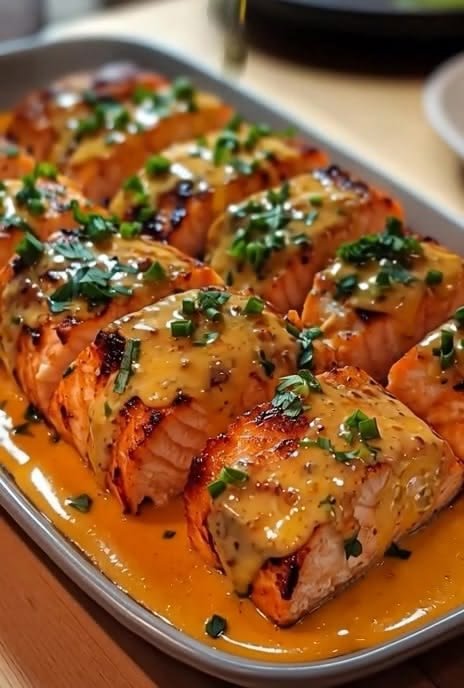
Get ready for tender, flaky salmon coated in a creamy, sweet-and-spicy bang bang sauce that tastes like restaurant-quality food but takes just 15 minutes to prepare. This quick salmon recipe combines juicy fish, a tangy mayonnaise-based sauce, a touch of sweetness, and a gentle kick of heat for a delicious balance of flavors in every bite.
Packed with protein and naturally low in carbohydrates, bang bang salmon is a fantastic option for busy weeknights, post-workout meals, and high-protein dinner plans. With simple ingredients and minimal cooking time, it delivers a satisfying meal without complicated preparation. Serve it with fresh vegetables, cauliflower rice, or your favorite low-carb side for a complete dinner.
Short 3-Line Recipe Description
This 15-minute bang bang salmon features juicy, flaky salmon coated in a creamy, sweet-and-spicy sauce.
With approximately 56g of protein per serving when prepared with the specified salmon portion, it is ideal for a protein-focused dinner.
Enjoy this easy, low-carb recipe with fresh vegetables or cauliflower rice for a quick and satisfying meal.
Can 15-Minute Bang Bang Salmon Support Weight Loss Goals?
Yes, bang bang salmon can fit into a weight-management eating plan when the portion size and sauce ingredients suit your calorie needs. Salmon provides high-quality protein, which helps support muscle maintenance and can contribute to feeling satisfied after a meal. It also supplies omega-3 fatty acids, while a low-carbohydrate sauce can keep the overall meal relatively low in carbs.
To make the recipe lighter, use plain Greek yogurt in place of some or all of the mayonnaise, choose a sugar-free sweet chili sauce, and measure the sauce carefully. Pairing the salmon with non-starchy vegetables can add volume and fiber without substantially increasing carbohydrates.
The original sauce can contribute considerable calories, especially when mayonnaise and sweet chili sauce are used generously. Weight loss depends on overall energy intake and eating habits rather than any single recipe.
Does 15-Minute Bang Bang Salmon Fit a High-Protein Lifestyle?
Absolutely! Salmon is the main protein source, providing substantial protein along with beneficial fats.
The creamy bang bang sauce uses mayonnaise, sweet chili sauce, and sriracha for its signature sweet, tangy, and spicy flavor.
With the ingredient quantities below, the recipe provides approximately 56g of protein per serving when one serving contains a sufficiently large salmon portion.
The sauce contributes most of the carbohydrates, so using a reduced-sugar version can help keep net carbs lower.
This makes the recipe a convenient high-protein dinner that can also fit many low-carb meal plans.
My Personal Experience
- A creamy, spicy sauce that stands out: The combination of mayonnaise, sweet chili sauce, and sriracha creates a smooth coating with sweetness and a gentle heat.
It complements the salmon’s rich flavor without overpowering the fish. - Tender salmon in just 15 minutes: Bite-sized salmon cubes cook quickly and develop lightly golden edges while staying moist inside.
Cutting the fish into evenly sized pieces helps the entire batch cook consistently. - A satisfying protein-rich dinner: Salmon provides substantial protein in a convenient, easy-to-serve portion.
Pairing it with vegetables makes the meal more varied without requiring a complicated side dish. - Easy to adjust for low-carb goals: The sauce can be made with a sugar-free sweet chili alternative and less mayonnaise if desired.
These small adjustments let you control carbohydrates and calories while keeping the signature bang bang flavor. - Perfect for busy evenings: The sauce mixes in minutes, and the salmon cooks quickly in a hot skillet or air fryer.
This makes the recipe useful when you want a flavorful dinner without spending a long time in the kitchen.
Perfect For
- High-protein dinners: Salmon supplies substantial protein in a single serving.
- Low-carb meal plans: Serve the salmon with broccoli, zucchini, or cauliflower rice instead of conventional rice.
- Keto-friendly meals: A version made with low-sugar or sugar-free sauce ingredients may fit a ketogenic plan when the total carbohydrate count is appropriate.
- Post-workout meals: The salmon’s protein can contribute to daily protein needs after exercise.
- Quick weeknight cooking: The short cooking time makes this recipe convenient for busy schedules.
- Meal-prep lunches: Cook the salmon ahead and portion it with vegetables for convenient meals.
- Seafood lovers: The creamy, spicy sauce gives salmon an exciting alternative to simple baked or pan-seared fish.
- Balanced family meals: Serve the salmon with a choice of vegetables, salad, or rice to suit different preferences.
This dish is best suited to lunch or dinner rather than a high-protein dessert or breakfast, although leftover salmon can be incorporated into a breakfast bowl.
Why You’ll Love This Recipe
- Ready in approximately 15 minutes: Small salmon cubes cook quickly, and the sauce requires no cooking.
It is a convenient solution for a flavorful dinner on a busy evening. - A delicious sweet-and-spicy flavor: Sweet chili sauce balances the heat of sriracha, while mayonnaise adds creaminess.
The result is a bold sauce that coats the salmon beautifully. - Naturally rich in protein: Salmon is the primary protein source and supplies all nine essential amino acids.
A generous serving makes this recipe especially useful for people who prioritize protein at dinner. - Easy to customize: Adjust the sriracha, sweetness, and creaminess to match your preferences.
Greek yogurt or a reduced-sugar chili sauce can help tailor the recipe to your nutrition goals. - Flexible serving options: Pair the salmon with cauliflower rice for a lower-carb plate or regular rice for a more carbohydrate-rich meal.
Fresh cucumber, broccoli, and crunchy cabbage also complement the creamy sauce. - Minimal cleanup: The recipe uses a small bowl for the sauce and one skillet or air fryer for the fish.
This keeps cooking straightforward and makes cleanup easier.
Common Mistakes to Avoid
- Cutting the salmon into uneven pieces: Smaller cubes cook faster than larger ones and may dry out before the rest are done. Cut the fish into uniform 1-inch pieces for consistent results.
- Overcooking the salmon: Salmon becomes dry when left on the heat for too long. Check the thickest pieces and cook until they reach a safe internal temperature of 145°F (63°C).
- Adding too much sauce: Excess sauce can overwhelm the fish and increase calories, sugar, and sodium. Start with the measured amount and add more only if needed.
- Cooking the fish over excessively high heat: Very high heat can burn the outside before the center cooks through. Use medium-high heat and turn the pieces gently to brown them evenly.
Required Equipment
- Large non-stick skillet — helps brown the salmon cubes evenly while reducing sticking.
- Sharp chef’s knife — makes it easier to cut salmon into uniform pieces.
- Cutting board — provides a stable surface for safe fish preparation.
- Small mixing bowl — allows you to combine the bang bang sauce before cooking.
- Whisk or small spoon — blends the sauce ingredients into a smooth, creamy mixture.
- Fish spatula or silicone turner — helps turn delicate salmon pieces without breaking them apart.
- Instant-read food thermometer — confirms that the salmon reaches a safe internal temperature.
- Airtight food-storage containers — keep leftovers covered and convenient for meal prep.
Storage Instructions
Refrigerator: Transfer leftover salmon into shallow, airtight food-safe containers and refrigerate within two hours of cooking, or within one hour when the temperature is above 90°F (32°C). Store at 40°F (4°C) or below and consume within 3–4 days.
Freezer: Place cooled salmon in a freezer-safe airtight container or freezer bag, removing excess air where possible. Freeze for up to 2–3 months for best quality. The sauce may separate slightly after thawing, particularly if it contains mayonnaise.
Reheating: Reheat the salmon gently in a covered skillet over low heat with a small splash of water, or microwave it in short intervals until it reaches 165°F (74°C). Avoid prolonged heating because salmon can dry out quickly. If possible, store extra sauce separately and add it after reheating.
High-protein meal-prep tip: Divide the salmon into evenly sized portions and store it with vegetables in separate compartments if you want to maintain their texture. The protein content remains broadly similar after proper storage, although reheating does not increase the original protein amount.
Recipe Details
- Preparation Time: 5 minutes
- Cooking Time: 10 minutes
- Total Time: 15 minutes
- Servings: 2
- Best Season for This Recipe: All-season
- Total Calories per Serving: Approximately 550–650 kcal
Calories are approximate and depend on the salmon’s weight, the mayonnaise used, and the sugar content of the chili sauce. The recipe is designed to provide approximately 56g of protein per serving.
Ingredients
Makes 2 servings.
For the Salmon
- 1 1/2 lb (680 g) skinless salmon fillets
- 1 tablespoon (15 ml) olive oil
- 1/2 teaspoon garlic powder
- 1/2 teaspoon paprika
- 1/4 teaspoon salt, or to taste
- 1/4 teaspoon freshly ground black pepper
For the Bang Bang Sauce
- 1/4 cup (60 g) mayonnaise
- 2 tablespoons (30 ml) sweet chili sauce
- 1 tablespoon (15 ml) sriracha, or to taste
- 1 teaspoon fresh lime juice
- 1 teaspoon water, if needed to thin the sauce
Optional Garnishes
- 1 tablespoon chopped fresh parsley or cilantro
- 1 teaspoon sesame seeds
- Lime wedges for serving
Ingredient Notes
- Salmon: Use fresh or fully thawed salmon, ideally cut into even cubes. The 1 1/2-pound quantity supplies approximately 56g of protein per serving before accounting for other ingredients, depending on the fish’s exact protein content.
- Mayonnaise: Regular mayonnaise creates a rich, creamy sauce. Light mayonnaise or plain Greek yogurt can be substituted, although the flavor and nutrition will change.
- Sweet chili sauce: This ingredient usually contains added sugar. Choose a reduced-sugar or sugar-free version for a lower-carb recipe and check its nutrition label.
- Sriracha: Adjust the amount to suit your preferred heat level.
- Lime juice: Fresh lime brightens the sauce and balances its richness.
Directions
Step 1: Prepare the salmon — 3 minutes
Pat the salmon dry with paper towels and cut it into evenly sized cubes, approximately 1 inch (2.5 cm) wide.
Place the cubes in a bowl and toss with olive oil, garlic powder, paprika, salt, and black pepper until evenly coated.
High-protein tip: Measure the raw salmon before cooking if you want to estimate the protein content more consistently. Salmon loses water during cooking, so its cooked weight will be lower.
Step 2: Mix the bang bang sauce — 2 minutes
In a small bowl, combine the mayonnaise, sweet chili sauce, sriracha, and lime juice.
Whisk until smooth and creamy. If the sauce is too thick to coat the salmon easily, add a teaspoon of water and mix again.
Taste the sauce before adding more sriracha or chili sauce so you can control the heat and sweetness.
Step 3: Heat the skillet — 1 minute
Place a large non-stick skillet over medium-high heat. Allow it to heat for approximately one minute.
Add the seasoned salmon cubes in a single layer, leaving a little space between them. If your skillet is small, cook the salmon in two batches to avoid steaming.
Step 4: Cook the salmon — 5–7 minutes
Cook the salmon for approximately 3 minutes on the first side until lightly golden. Turn the cubes gently and cook for another 2–4 minutes, depending on their size.
The exterior should look lightly browned, and the center should become opaque and separate into moist flakes. Check the thickest pieces with an instant-read thermometer; salmon should reach 145°F (63°C) for food safety.
Avoid moving the pieces constantly, as allowing them to sit briefly helps develop color.
Step 5: Coat with bang bang sauce — 1–2 minutes
Reduce the heat to low and remove the skillet from direct high heat if needed. Spoon or drizzle the bang bang sauce over the cooked salmon and gently toss until the cubes are coated.
Warm for 30–60 seconds, just until the sauce clings to the fish. Avoid boiling the mayonnaise-based sauce or cooking it for too long.
High-protein tip: Divide the salmon evenly between two plates to preserve the intended protein portion per serving.
Step 6: Garnish and serve — 1 minute
Turn off the heat and sprinkle the salmon with chopped parsley or cilantro and optional sesame seeds.
Serve immediately with lime wedges, steamed broccoli, cucumber salad, or cauliflower rice.
For a lower-carb meal, choose a sugar-free sweet chili sauce and serve the salmon with non-starchy vegetables.
Nutrition Facts (Per Serving – Approximate)
Estimated per serving for half of the recipe, using 1 1/2 lb salmon, olive oil, mayonnaise, sweet chili sauce, and sriracha.
- Calories: 550–650 kcal
- Total Fat: 35–42 g
- Cholesterol: 145–175 mg
- Sodium: 650–900 mg
- Potassium: 1,000–1,300 mg
- Total Carbohydrates: 8–12 g
- Fiber: 0–1 g
- Net Carbs: 8–11 g
- Sugars: 5–8 g
- Protein: Approximately 56 g
- Calcium: 40–80 mg
Nutrition values are estimates, not laboratory-tested results. Exact figures depend on the salmon’s composition, mayonnaise brand, sauce quantities, and sweet chili sauce’s sugar content. Net carbs are calculated by subtracting fiber from total carbohydrates. A sugar-free sauce may reduce the carbohydrate and sugar totals.
Notes
- Storage: Refrigerate cooked salmon within two hours and consume within 3–4 days. Freeze in airtight containers for up to 2–3 months for best quality.
- Reheating: Reheat gently to 165°F (74°C), using short microwave intervals or low heat in a covered skillet to help preserve moisture.
- Allergy notes: Salmon is a fish allergen. Mayonnaise commonly contains egg, and some chili sauces may contain soy or other allergens, so check ingredient labels.
- Flavor boosts: Add fresh lime juice, extra garlic, smoked paprika, or chopped cilantro to enhance the sweet-and-spicy sauce.
- Lower-carb option: Replace regular sweet chili sauce with a suitable reduced-sugar or sugar-free alternative.
- Lighter sauce: Substitute some mayonnaise with plain Greek yogurt for a tangier, higher-protein sauce. Add the yogurt off the heat to reduce the risk of curdling.
- Serving suggestion: Pair the salmon with broccoli, zucchini, leafy greens, or cauliflower rice for a low-carb dinner.
- Texture tip: Pat the fish dry before seasoning and avoid overcrowding the skillet to encourage browning rather than steaming.
Frequently Asked Questions
1. Does bang bang salmon really contain 56g of protein per serving?
It can provide approximately 56g of protein per serving when the recipe is divided into two portions and the salmon quantity and protein content match the stated estimates.
2. Is bang bang salmon low-carb?
Yes, it can be relatively low in carbohydrates, although regular sweet chili sauce adds sugar, so a reduced-sugar version is better for stricter low-carb goals.
3. Can I cook bang bang salmon in an air fryer?
Yes, cook the seasoned salmon cubes in a preheated air fryer at 400°F (200°C) for approximately 6–8 minutes, checking for an internal temperature of 145°F (63°C), then toss with the sauce.
4. Can I make bang bang salmon without mayonnaise?
Yes, plain Greek yogurt can replace the mayonnaise for a tangier, higher-protein sauce, although it will have a different texture and flavor.
5. Can I meal-prep bang bang salmon?
Yes, cook the salmon, divide it into airtight containers, refrigerate within two hours, and consume within 3–4 days for best food quality and safety.
6. What should I serve with bang bang salmon?
Broccoli, cauliflower rice, cucumber salad, roasted zucchini, or leafy greens pair well with the creamy, spicy salmon and can keep the overall meal relatively low in carbohydrates.