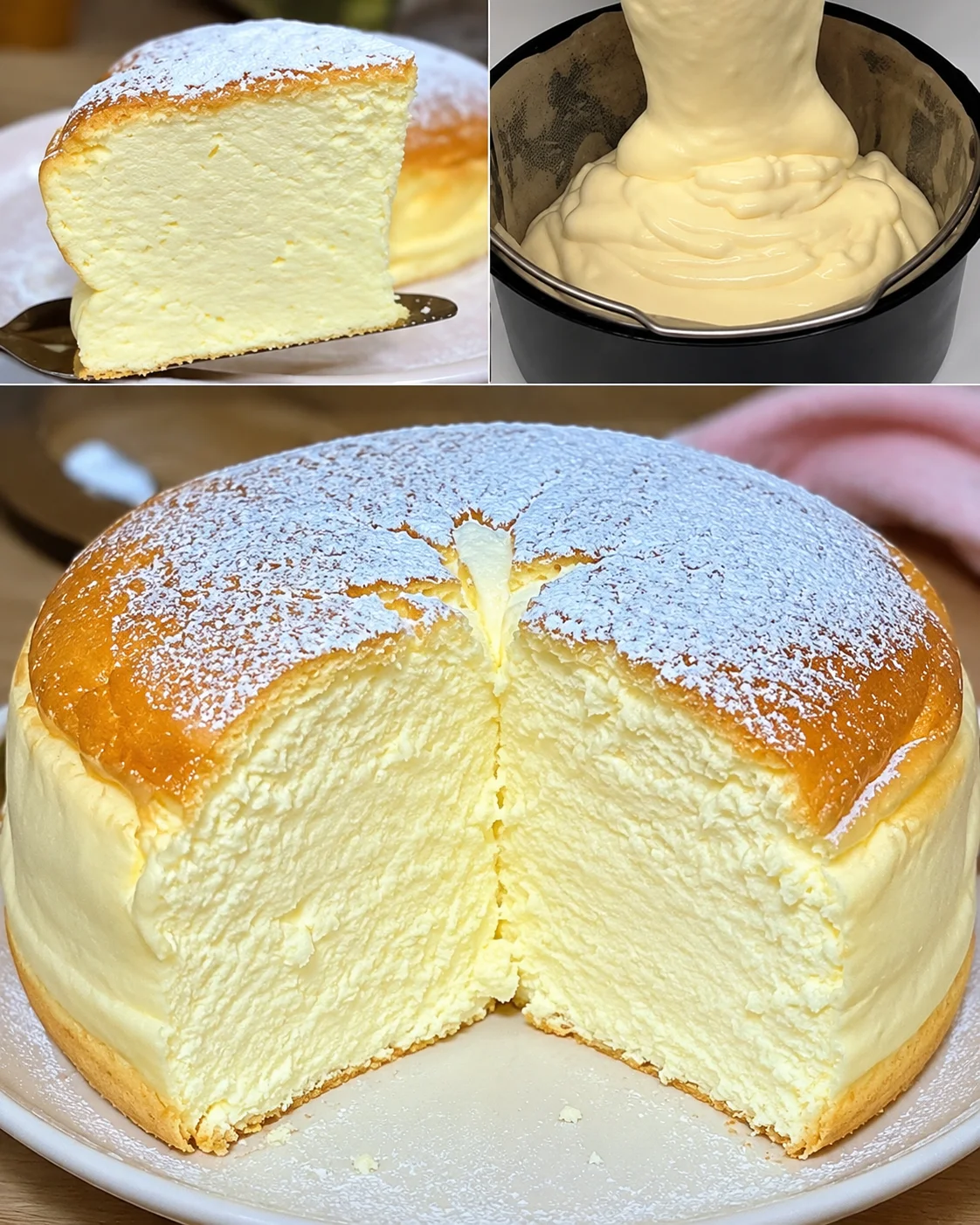
Description
Light, airy, and wonderfully soft, this high-protein keto cloud cake is a delicious way to enjoy a sweet treat without traditional flour or added sugar. Made with whipped egg whites, creamy Greek yogurt, and a touch of vanilla, this cloud-like cake has a delicate texture, a gentle sweetness, and a melt-in-your-mouth finish. It is an excellent option for anyone looking for a sugar-free, low-carb dessert that feels special without complicated baking techniques.
With protein-rich ingredients and no conventional flour, this keto cloud cake can fit into many high-protein and low-carb eating plans. Its simple ingredient list makes it easy to customize with lemon zest, cinnamon, or your favorite sugar-free flavoring.
Important nutrition note: This recipe uses Greek yogurt and eggs, so its protein content is meaningful but not exceptionally high compared with some protein-enriched desserts. The exact protein and net carbohydrate amounts depend on the ingredients and serving size.
Short 3-Line Recipe Description
This high-protein keto cloud cake is soft, airy, and delicately sweet, with a light vanilla flavor in every bite.
Made with eggs, Greek yogurt, and a sugar-free sweetener, it is a simple low-carb dessert without traditional flour.
Enjoy a fluffy, guilt-free-style treat that fits many keto-friendly and high-protein meal plans.
Can High-Protein Keto Cloud Cake Support Weight Loss Goals?
Yes, this cloud cake can fit into a weight-management eating plan when the portion size and ingredients align with your overall nutritional needs. Eggs and Greek yogurt provide protein, which helps support muscle maintenance and can contribute to fullness. The absence of added sugar and traditional flour can also make it easier to control certain carbohydrates compared with conventional cakes.
However, sugar-free does not automatically mean calorie-free, and a keto-friendly dessert can still contribute a significant amount of calories depending on its ingredients. For a lighter version, choose nonfat Greek yogurt, measure your sweetener carefully, and avoid adding calorie-dense toppings.
Weight management depends on your overall eating pattern and energy balance rather than any single dessert.
Does High-Protein Keto Cloud Cake Fit a High-Protein Lifestyle?
Yes, this cloud cake can complement a high-protein lifestyle because eggs and Greek yogurt provide protein without requiring traditional flour.
Using plain Greek yogurt and separating the eggs carefully helps create a balanced mixture with an airy texture.
The recipe contains approximately 2–4 g of net carbs per serving when made with the ingredients listed below, although brands can affect the total.
Its protein content is moderate rather than exceptionally high, so it works best as a lighter dessert alongside other protein-rich meals.
For a higher-protein variation, incorporate a small amount of unflavored or vanilla whey protein, adjusting the moisture to preserve the cake’s delicate texture.
My Personal Experience
- A wonderfully airy texture: Whipping the egg whites creates the delicate structure that makes this cloud cake feel light rather than dense.
Folding them gently into the yogurt mixture helps maintain the volume for a soft, soufflé-like finish. - Gentle vanilla sweetness: Vanilla extract and a suitable sugar-free sweetener provide a familiar cake-like flavor without adding regular sugar.
A little lemon zest can brighten the taste and balance the mild tanginess of Greek yogurt. - A simple low-carb dessert: Eggs and Greek yogurt replace the need for traditional flour in this recipe.
This makes the cake a useful alternative for people who want a lighter dessert with fewer carbohydrates. - Easy to customize: Cinnamon, lemon zest, or a few drops of almond extract can change the flavor without complicating the method.
Keeping the additions light helps preserve the cake’s delicate texture. - Best enjoyed freshly baked: The cake rises beautifully in the oven and has a soft, delicate center when freshly made.
As it cools, it naturally settles slightly, so a gentle reduction in height is normal.
Perfect For
- Low-carb dessert recipes: This flourless cloud cake offers a sweet option with relatively few carbohydrates.
- Keto diet plans: Its low net carbohydrate content may fit a ketogenic eating plan when the ingredients and serving size are accounted for.
- High-protein eating plans: Eggs and Greek yogurt contribute protein, making it more nutritionally substantial than some traditional sugar-based desserts.
- Afternoon treats: A small slice is ideal when you want something sweet with tea or coffee.
- Light breakfast occasions: Serve a portion with additional plain Greek yogurt or berries for a more complete breakfast.
- Meal-prep desserts: Individual slices can be refrigerated for convenient portions throughout the week.
- Sugar-free baking: A suitable non-sugar sweetener creates sweetness without conventional granulated sugar.
- Gluten-conscious baking: The recipe contains no wheat flour, although ingredient labels and cross-contact precautions still matter.
This recipe is not intended to replace a balanced meal, and it is not automatically suitable for every dietary requirement simply because it is low-carb.
Why You’ll Love This Recipe
- Light and fluffy: Whipped egg whites create a delicate structure that makes the cake feel soft and airy.
Gentle folding keeps the batter from losing too much volume before baking. - No traditional flour required: Eggs and Greek yogurt form the base of this flourless dessert.
This keeps the ingredient list simple while helping reduce carbohydrates. - Sugar-free when prepared as directed: A granulated or powdered sugar substitute provides sweetness without regular sugar.
Choose a sweetener designed for baking to achieve the best taste and texture. - Easy to flavor: Vanilla creates a classic dessert flavor, while lemon zest adds freshness.
You can adjust the flavor without relying on sugary frosting. - Suitable for portion control: The cake can be divided into six small slices for convenient serving.
Individual portions make it easier to fit dessert into your overall meal plan. - A flexible keto-friendly treat: Its low-carb ingredient profile makes it adaptable to many ketogenic menus.
Check the labels on your yogurt and sweetener to keep the carbohydrate count consistent with your goals.
Common Mistakes to Avoid
- Under-whipping the egg whites: Soft, unstable whites will not provide enough structure for a fluffy cake. Beat until stiff peaks form, but stop before the whites become dry and grainy.
- Folding too aggressively: Vigorous stirring removes the air incorporated into the whites, resulting in a flatter, denser cake. Fold gently with a spatula until the mixture is just combined.
- Using watery yogurt: Excess liquid can make the center soggy and prevent the cake from setting properly. Use thick Greek yogurt and drain off any separated liquid before measuring.
- Opening the oven too early: Sudden temperature changes can cause the delicate cake to collapse before its structure sets. Keep the oven door closed for most of the baking time and check the cake near the end.
Required Equipment
- Electric hand mixer or stand mixer — whips egg whites into stable peaks more quickly and consistently than hand whisking.
- Two clean mixing bowls — keep the egg whites separate from the yolk mixture for reliable whipping.
- Silicone spatula — folds the whites into the batter gently to preserve air.
- Measuring cups and spoons or a kitchen scale — provide consistent ingredient quantities and more reliable nutrition estimates.
- Small oven-safe cake pan — gives the batter support as it rises and sets.
- Parchment paper — helps prevent sticking and makes removing the delicate cake easier.
- Fine-mesh sieve — helps remove lumps from powdered sweetener or protein powder.
- Cooling rack — allows steam to escape and helps the cake cool evenly.
Storage Instructions
Refrigerator: Allow the cake to cool, then place it in an airtight food-safe container. Refrigerate at 40°F (4°C) or below and consume within 3–4 days for best quality. Separate slices with small pieces of parchment paper to reduce sticking.
Freezer: Cut the completely cooled cake into individual slices. Wrap each slice or separate layers with parchment paper, then store in a freezer-safe airtight container or bag. Freeze for up to 1–2 months for best texture.
Reheating: Thaw frozen slices overnight in the refrigerator. If you prefer a warm dessert, heat a slice in the microwave for approximately 10–15 seconds, checking carefully because the airy texture can become rubbery when overheated.
High-protein storage tip: Keep toppings such as Greek yogurt separate until serving. This helps preserve the cake’s delicate texture and allows you to control the protein and calorie content of each portion.
The protein content remains broadly the same during proper storage, although moisture loss can change the cake’s weight and the calculated nutrients per 100 g.
Recipe Details
- Preparation Time: 15 minutes
- Cooking Time: 35–40 minutes
- Total Time: 50–55 minutes
- Servings: 6 slices
- Best Season for This Recipe: All-season
- Total Calories per Serving: Approximately 45–55 kcal
Calories are approximate and depend on the yogurt, egg size, sweetener, and serving size. This estimate excludes optional toppings.
Ingredients
Makes 6 small servings.
For the Keto Cloud Cake
- 3 large eggs, separated
- 1/2 cup (120 g) plain nonfat Greek yogurt
- 3 tablespoons (30 g) powdered erythritol or another suitable baking sweetener
- 1 teaspoon vanilla extract
- 1/2 teaspoon baking powder
- 1 teaspoon lemon juice
- 1/4 teaspoon cream of tartar, optional
- A small pinch of salt
- A little cooking spray or parchment paper for the pan
Ingredient Notes
- Eggs: Separate the eggs while cold, then allow the whites to come closer to room temperature before whipping for better volume.
- Greek yogurt: Use thick, plain, unsweetened Greek yogurt. Flavored varieties may add extra sugars and carbohydrates.
- Sweetener: Powdered erythritol blends smoothly into the batter. Sweetness varies between products, so adjust according to the manufacturer’s guidance.
- Cream of tartar: This optional ingredient helps stabilize the whipped egg whites.
- Lemon juice: A small amount helps stabilize the whites and adds a subtle freshness without creating a strong lemon flavor.
- Baking powder: Provides a little extra lift but cannot replace properly whipped egg whites.
Directions
Step 1: Prepare the oven and pan — 5 minutes
Preheat the oven to 300°F (150°C). Line the bottom of a small 6-inch (15 cm) round cake pan with parchment paper and lightly grease the sides if needed.
A smaller pan helps the batter rise upward rather than spreading too thinly. Make sure the pan is oven-safe and that the parchment does not extend near the heating element.
Step 2: Separate the eggs — 3 minutes
Separate the three eggs into two clean bowls. Place the egg whites in a completely clean, grease-free bowl and the yolks in another bowl.
Even a small amount of yolk in the whites can prevent them from whipping properly, so separate each egg carefully.
Step 3: Mix the yolk batter — 3 minutes
Whisk the egg yolks with the Greek yogurt, vanilla extract, powdered sweetener, baking powder, and pinch of salt.
Continue until the mixture looks smooth and creamy, with no visible yogurt lumps. Avoid adding too much extra liquid, which can weaken the cake’s structure.
High-protein tip: Measure the Greek yogurt accurately and use plain, high-protein yogurt to keep the nutritional estimate consistent.
Step 4: Whip the egg whites — 4–6 minutes
Add the lemon juice and optional cream of tartar to the egg whites. Using an electric mixer, beat on medium speed until the whites become foamy.
Increase to medium-high speed and continue beating until stiff, glossy peaks form. When you lift the beaters, the peaks should hold their shape without drooping significantly.
Avoid overbeating until the whites become dry or clumpy, because they will be harder to fold into the batter evenly.
Step 5: Fold the mixtures together — 2–3 minutes
Add about one-third of the whipped whites to the yolk mixture and stir gently to lighten it.
Add the remaining whites in two batches, folding with a silicone spatula from the bottom of the bowl upward. Stop as soon as the batter is mostly uniform and no large white streaks remain.
The mixture should look light, airy, and voluminous rather than runny or completely deflated.
Step 6: Bake the cloud cake — 35–40 minutes
Pour the batter into the prepared pan and gently level the surface without pressing out the air.
Bake on the middle oven rack at 300°F (150°C) for 35–40 minutes. Avoid opening the oven door during the first 25–30 minutes.
The cake should look lightly golden on top, feel set around the edges, and spring back gently when touched near the center. A toothpick inserted into the middle should come out without wet batter.
If the center is still visibly wet, continue baking for another 3–5 minutes and check again.
Step 7: Cool and serve — 10–15 minutes
Turn off the oven and leave the door slightly ajar for about 5 minutes if your oven and pan setup allow this safely. Remove the cake and let it rest in the pan for another 5–10 minutes before loosening the edges.
Transfer carefully to a cooling rack. The cake may settle slightly as it cools; this is normal for an airy egg-based dessert.
Slice into six portions and serve plain or with a small spoonful of Greek yogurt. Add lemon zest or a few berries if desired, accounting for any additional carbohydrates.
Nutrition Facts (Per Serving – Approximate)
Estimated per slice when the recipe is divided into six servings and made with the ingredients listed above, excluding toppings.
- Calories: 45–55 kcal
- Total Fat: 2–3 g
- Cholesterol: 95–100 mg
- Sodium: 60–90 mg
- Potassium: 60–90 mg
- Total Carbohydrates: 1–2 g
- Fiber: 0 g
- Net Carbs: 1–2 g
- Sugars: Approximately 1 g
- Protein: 4–5 g
- Calcium: 15–25 mg
These are approximate estimates based on typical ingredient values and may vary by brand and egg size. Sugar alcohols and other sweeteners can be counted differently on nutrition labels, so calculate the actual net carbohydrates according to the specific sweetener used.
Important: This basic version is a light, low-carb cloud cake, not a 20–30 g protein dessert. To increase the protein, you can add a small amount of whey protein powder, but the recipe will need texture testing and the nutrition facts must be recalculated.
Notes
- Storage: Refrigerate in an airtight container for 3–4 days or freeze individual slices for 1–2 months for best quality.
- Reheating: Thaw frozen slices in the refrigerator and warm briefly in the microwave if desired. Avoid prolonged heating because the cake can become rubbery.
- Allergy notes: This recipe contains eggs and dairy. Whey protein, if added, is also milk-derived.
- Flavor boosts: Add lemon zest, cinnamon, almond extract, or a little unsweetened cocoa powder for variation.
- Higher-protein option: Add 10–15 g of whey protein powder and a small amount of extra yogurt or milk if needed. The cake may become denser, so test the texture and recalculate the nutrition.
- Sweetness adjustment: Taste your chosen sweetener before using it, and follow the package’s sugar-equivalence instructions.
- Texture tip: Use a completely grease-free bowl for whipping egg whites and fold them into the yolk mixture gently.
- Serving suggestion: Pair a slice with plain Greek yogurt for a more protein-rich snack or dessert.
- Keto tip: Check the carbohydrate content of yogurt, flavorings, and sweetener blends, as some products contain added sugars or starches.
Frequently Asked Questions
1. Is keto cloud cake really sugar-free?
It contains no added regular sugar when made with a suitable sugar-free sweetener, although the eggs and yogurt naturally contain small amounts of carbohydrates.
2. How much protein does this cloud cake contain?
The basic recipe provides approximately 4–5 g of protein per slice, while adding protein powder can increase the total depending on the product and amount used.
3. Why did my cloud cake collapse after baking?
Cloud cake can settle naturally as it cools, but excessive collapse may result from under-whipped egg whites, overmixing, or removing it from the oven before the center has set.
4. Can I make keto cloud cake without Greek yogurt?
You can experiment with thick, unsweetened dairy alternatives, but the moisture, protein content, and texture will change.
5. Can I use a different sugar-free sweetener?
Yes, you can use another baking-friendly sweetener, but sweetness, texture, and net carbohydrate calculations will depend on its composition.
6. Is this cloud cake suitable for meal prep?
Yes, individual slices can be refrigerated for 3–4 days or frozen for 1–2 months, although freshly baked slices generally have the lightest texture.