Description
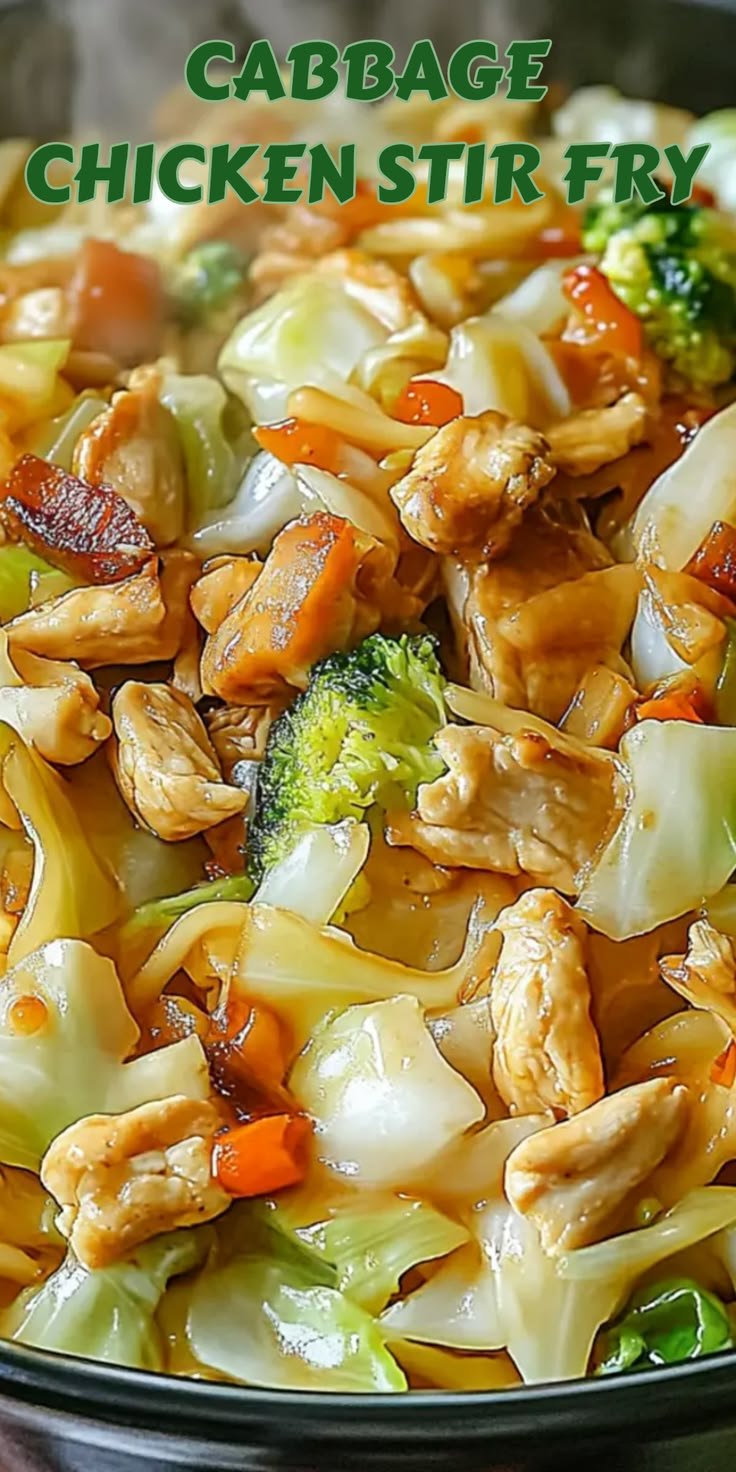
Juicy chicken, tender cabbage, and golden garlic come together in this simple one-pan dinner that proves healthy eating can be incredibly delicious. The chicken develops a lightly golden exterior while staying tender inside, and the cabbage softens in the savory juices, soaking up every bit of garlic, black pepper, and seasoning. The result is a comforting, flavorful meal with minimal cleanup.
This garlic chicken and cabbage skillet is ideal for anyone searching for high-protein, low-carb recipes that fit into a busy lifestyle. Made with lean chicken breast, fresh cabbage, and everyday seasonings, it delivers satisfying protein without relying on heavy sauces or starchy sides. It is easy to customize, budget-friendly, and perfect for meal prep.
Short 3-Line Recipe Description
Tender garlic-seasoned chicken and soft, flavorful cabbage come together in one easy skillet.
This high-protein, low-carb dinner uses simple ingredients to create a satisfying meal with minimal cleanup.
Serve it fresh from the pan or portion it into meal-prep containers for convenient lunches and dinners.
Can Chicken, Cabbage, and Garlic Support Weight Loss Goals?
Yes, this one-pan chicken and cabbage recipe can fit into a weight-management eating plan when portion sizes and overall food choices align with your needs. Chicken breast provides lean protein, which supports muscle maintenance and can help make meals more satisfying. Cabbage contributes fiber, volume, and texture while adding relatively few calories.
Cooking the ingredients with a measured amount of olive oil instead of a heavy cream-based sauce can help control the overall calorie content. The recipe is also naturally low in carbohydrates, making it suitable for many low-carb eating patterns.
For a lighter version, use skinless chicken breast, measure the cooking oil carefully, and season with garlic, herbs, lemon juice, and black pepper instead of relying on sugary sauces. Weight management still depends on your overall energy intake and lifestyle rather than any single recipe.
Does Chicken, Cabbage, and Garlic Fit a High-Protein Lifestyle?
Yes, this recipe is a strong option for a high-protein lifestyle because chicken breast provides most of the protein in each serving.
Fresh cabbage adds fiber, volume, and nutrients while keeping the carbohydrate content relatively low.
With approximately 40–45 grams of protein and around 6–8 grams of net carbs per serving, it can suit many high-protein, low-carb meal plans.
Garlic, paprika, black pepper, and herbs add flavor without requiring a heavy sauce.
For meal prep, divide the chicken evenly between servings to maintain a consistent protein portion.
My Personal Experience
- Juicy chicken with a golden finish: Searing the chicken over medium-high heat creates flavorful browned edges while keeping the inside tender.
Cutting the chicken into evenly sized pieces helps it cook consistently and distribute easily throughout the dish. - Cabbage that absorbs every bit of flavor: As the cabbage softens, it picks up the garlic, seasonings, and savory juices from the chicken.
Cooking it until just tender preserves some texture and prevents the entire skillet from becoming mushy. - Big garlic flavor without a complicated sauce: Fresh garlic adds an aromatic, savory character that complements both the chicken and cabbage.
Adding it after the chicken has started browning helps prevent burning and keeps the flavor pleasantly mellow. - A satisfying low-carb dinner: Chicken and cabbage make a hearty combination without needing rice, pasta, or potatoes.
The protein-rich chicken and vegetable volume create a practical meal for everyday high-protein eating. - Simple preparation and cleanup: Everything cooks in one large skillet, making this recipe convenient for busy evenings.
Leftovers can be portioned into containers for quick lunches without preparing a separate protein dish.
Perfect For
- High-protein dinners: Chicken breast supplies substantial protein to help meet daily protein needs.
- Low-carb meal plans: Cabbage replaces starchy sides while keeping the dish naturally low in carbohydrates.
- Keto diet plans: The basic recipe can fit many ketogenic meal plans when ingredient quantities and total daily carbohydrates are considered.
- Weight-conscious meal planning: Lean chicken, vegetables, and measured oil make it easier to build a satisfying meal with controlled portions.
- Meal-prep lunches: The cooked chicken and cabbage can be divided into ready-to-reheat servings.
- Post-workout meals: Chicken provides protein that contributes to muscle maintenance and recovery nutrition.
- Quick family dinners: One pan and straightforward ingredients keep preparation and cleanup manageable.
- Budget-friendly cooking: Cabbage stretches the chicken across satisfying servings without expensive specialty ingredients.
This recipe is best suited to lunch or dinner rather than high-protein desserts, snacks, or breakfast, although leftovers can be enjoyed at different times of day.
Why You’ll Love This Recipe
- High in protein: Lean chicken breast provides the main protein source without requiring protein powders or specialty ingredients.
Evenly dividing the cooked chicken between servings helps maintain a consistent protein content. - Naturally low in carbs: Cabbage and garlic provide plenty of flavor without rice, pasta, or flour-based sauces.
This makes the skillet easy to fit into many low-carb eating patterns. - Made in one pan: The chicken, cabbage, and garlic cook together in a single skillet.
Fewer dishes mean less cleanup after a busy day. - Packed with savory flavor: Golden chicken, fragrant garlic, and black pepper create a delicious base for the tender cabbage.
A squeeze of lemon juice at the end adds brightness without making the dish complicated. - Easy to customize: Add paprika, chili flakes, thyme, or fresh parsley to change the flavor profile.
The basic combination works with both mild seasonings and bolder spices. - Perfect for meal prep: The dish reheats well and can be divided into individual portions after cooking.
A splash of broth during reheating helps keep the chicken moist and the cabbage tender.
Common Mistakes to Avoid
- Crowding the skillet: Too much chicken in the pan releases moisture and prevents proper browning. Cook in batches if necessary so the pieces develop golden edges.
- Adding garlic too early: Garlic can burn while the chicken sears over medium-high heat, creating a bitter flavor. Add it after browning the chicken or during the final minute of sautéing.
- Overcooking the chicken breast: Lean chicken dries out when cooked for too long. Cut it into even pieces and cook until the thickest pieces reach 165°F (74°C).
- Making the cabbage watery or mushy: Excess liquid and prolonged cooking can soften cabbage too much. Add it after the chicken has browned, use only a little broth, and uncover the pan near the end if excess moisture remains.
Required Equipment
- Large skillet or frying pan — provides enough room to brown the chicken and cook the cabbage evenly.
- Sharp chef’s knife — makes it easier to cut the chicken and cabbage into uniform pieces.
- Cutting board — provides a stable surface for safe ingredient preparation.
- Wooden spoon or heat-resistant spatula — helps turn the chicken and stir the cabbage without damaging the pan.
- Measuring spoons and cups — help control the oil, salt, and seasonings for consistent results.
- Tongs — make turning chicken pieces easier and help preserve their browned surfaces.
- Instant-read food thermometer — confirms that the chicken reaches a safe internal temperature of 165°F (74°C).
- Airtight food-storage containers — keep meal-prep portions fresh and easy to transport.
Storage Instructions
Refrigerator: Allow the chicken and cabbage to cool until they are no longer steaming heavily, then transfer them to shallow, airtight food-safe containers. Refrigerate within two hours of cooking, or within one hour if the ambient temperature exceeds 90°F (32°C). Store at 40°F (4°C) or below and consume within 3–4 days.
Freezer: Divide the cooled meal into individual portions and place them in airtight freezer-safe containers or freezer bags. Remove excess air, label each portion with the date, and freeze for up to 2–3 months for best quality. The cabbage may become softer after thawing, but the meal remains convenient for future use.
Reheating: Reheat only the portion you intend to eat in a skillet over medium-low heat, adding 1–2 tablespoons of water or low-sodium broth if needed. Stir occasionally until the entire portion reaches 165°F (74°C). You can also use a microwave, stirring halfway through heating to avoid cold spots.
High-protein storage tip: Divide the cooked chicken evenly between containers before adding the cabbage. This helps maintain a consistent protein serving and makes it easier to track nutrition. Proper storage preserves quality; it does not increase the meal’s original protein content.
Recipe Details
- Preparation Time: 10 minutes
- Cooking Time: 20 minutes
- Total Time: 30 minutes
- Servings: 4
- Best Season for This Recipe: All-season
- Total Calories per Serving: Approximately 280 calories
Calories are approximate and vary according to the chicken cut, the amount of oil used, and the final portion sizes.
Ingredients
Makes 4 servings.
Main Ingredients
- 1 lb (450 g) boneless, skinless chicken breast, cut into bite-sized pieces
- 1 medium green cabbage (approximately 700 g whole; use 500–600 g after removing the core and outer leaves), thinly sliced
- 1 tablespoon (15 ml) olive oil
- 5 cloves garlic, finely minced
- 1 medium onion (about 100 g), thinly sliced
- 1/4 cup (60 ml) low-sodium chicken broth or water
- 1 teaspoon paprika
- 1/2 teaspoon dried thyme
- 1/2 teaspoon salt, or to taste
- 1/4 teaspoon freshly ground black pepper
- 1 tablespoon (15 ml) fresh lemon juice, optional
- 2 tablespoons fresh parsley, chopped, optional garnish
Ingredient Notes
- Chicken breast: Boneless, skinless chicken breast is a lean protein choice. Chicken thighs can be substituted, but the fat and calorie content will increase.
- Cabbage: Use approximately 500–600 g of prepared cabbage. Thin, even slices cook more consistently.
- Garlic: Five cloves provide a noticeable garlic flavor. Use three cloves for a milder result or add another clove if you enjoy a stronger flavor.
- Olive oil: Measure the oil instead of pouring freely to keep the nutrition estimate consistent.
- Chicken broth: Low-sodium broth adds flavor while allowing you to control the salt. Water works as a simple alternative.
- Lemon juice: Optional, but it brightens the savory flavor and balances the sweetness of cooked cabbage.
Directions
Step 1: Prepare the ingredients — 5 minutes
Cut the chicken breast into evenly sized, bite-sized pieces. Remove the cabbage’s tough core and slice the leaves into thin strips. Slice the onion and mince the garlic.
Measure the broth and seasonings before heating the pan. Keep raw chicken separate from ready-to-eat ingredients and wash your hands and utensils after handling it.
Step 2: Season the chicken — 2 minutes
Place the chicken in a bowl and season with paprika, dried thyme, black pepper, and a small amount of salt.
Toss until the pieces are evenly coated. This helps distribute the seasoning and gives the chicken a flavorful surface as it browns.
High-protein tip: Use the specified chicken quantity and divide the finished meat evenly between the four servings for a more consistent protein intake.
Step 3: Sear the chicken — 5–7 minutes
Heat the olive oil in a large skillet over medium-high heat. Add the chicken in a single layer, leaving a little space between the pieces.
Cook for approximately 3–4 minutes on the first side, then turn and cook for another 2–3 minutes. The outside should develop light golden-brown patches.
The chicken does not need to be completely cooked through at this stage because it will finish cooking with the cabbage. If your skillet is small, brown the chicken in two batches.
Step 4: Add onion and garlic — 2 minutes
Reduce the heat to medium. Add the sliced onion and cook for about 1–2 minutes, stirring until it starts to soften.
Add the minced garlic and cook for 30–60 seconds until fragrant. Avoid browning the garlic too deeply because it can turn bitter.
Step 5: Add the cabbage — 3–4 minutes
Add the sliced cabbage in handfuls, stirring after each addition so it begins to wilt. Pour in the chicken broth or water and toss everything together.
The cabbage should start to soften and pick up the garlic, seasoning, and chicken juices. If the pan is too crowded, add the cabbage in two batches.
Step 6: Cover and cook — 6–8 minutes
Reduce the heat to medium-low and cover the skillet. Cook for 6–8 minutes, stirring every 2–3 minutes so the cabbage cooks evenly.
Check the chicken with an instant-read thermometer; the thickest pieces must reach 165°F (74°C). The cabbage should be tender but still have a little texture.
If the skillet looks watery, remove the lid for the final 1–2 minutes and let the excess moisture evaporate.
Step 7: Finish and serve — 1 minute
Turn off the heat and stir in the optional lemon juice. Taste the dish and adjust the salt or black pepper if needed.
Sprinkle with fresh parsley and serve warm. Divide the chicken and cabbage evenly among four plates or meal-prep containers.
Texture cue: The chicken should be moist and fully cooked, while the cabbage should be tender, glossy, and lightly coated in the savory garlic juices rather than swimming in liquid.
Nutrition Facts (Per Serving – Approximate)
Estimated for four servings using 450 g raw skinless chicken breast, 500–600 g prepared cabbage, one tablespoon olive oil, onion, garlic, and seasonings.
- Calories: 280 kcal
- Total Fat: 9 g
- Cholesterol: 95 mg
- Sodium: 400 mg
- Potassium: 850 mg
- Total Carbohydrates: 15 g
- Fiber: 6 g
- Net Carbs: 9 g
- Sugars: 7 g
- Protein: 38 g
- Calcium: 100 mg
These values are estimates rather than laboratory-tested results. Actual nutrition varies with the size of the chicken breast, cabbage quantity, oil retained, broth brand, and serving size. Net carbohydrates are calculated by subtracting fiber from total carbohydrates.
Notes
- Storage: Refrigerate in shallow, airtight containers within two hours of cooking and consume within 3–4 days. Freeze individual portions for up to 2–3 months for best quality.
- Reheating: Warm in a skillet over medium-low heat or in the microwave until the center reaches 165°F (74°C). Add a little broth if the chicken or cabbage seems dry.
- Allergy notes: The basic recipe contains no dairy, eggs, or gluten-containing ingredients when made with suitable broth and seasonings. Check product labels for allergens and cross-contact warnings.
- Flavor boosts: Add smoked paprika, chili flakes, lemon zest, or fresh parsley to enhance the garlic and chicken flavors.
- Extra protein: Increase the chicken portion if you want more protein per serving, then recalculate the nutrition facts.
- Lower-fat option: Use a nonstick skillet and reduce the olive oil slightly, adding a splash of broth if needed to prevent sticking.
- Meal-prep tip: Slightly firm cabbage generally holds its texture better after reheating than cabbage cooked until very soft.
- Serving suggestion: Enjoy on its own for a low-carb meal or pair with a fresh cucumber salad for additional variety.
Frequently Asked Questions
1. Is chicken and cabbage a good high-protein dinner?
Yes, chicken breast provides substantial protein, while cabbage adds fiber and volume with relatively few carbohydrates.
2. Is garlic chicken and cabbage keto-friendly?
The basic recipe is generally compatible with many keto meal plans because it contains approximately 9 g of net carbs per serving, although individual carbohydrate limits vary.
3. Can I use chicken thighs instead of chicken breast?
Yes, boneless, skinless chicken thighs work well and provide a richer flavor, but they generally contain more fat and calories.
4. How do I keep the chicken tender?
Cut the chicken into evenly sized pieces, avoid prolonged cooking, and remove it from the heat once the thickest pieces reach 165°F (74°C).
5. Can I make this recipe ahead for meal prep?
Yes, cook the chicken and cabbage, divide the dish into airtight containers, and refrigerate for 3–4 days or freeze for longer storage.
6. Why does my cabbage release so much water?
Cabbage naturally releases moisture during cooking, so use only a small amount of broth and uncover the skillet at the end to evaporate excess liquid.